Add: No.8 Xinxing Street, North Zone, Zhengding High-tech Industrial Development Zone, Hebei, China
CONTACT US
+8615030171059


CONTACT US
+8615030171059
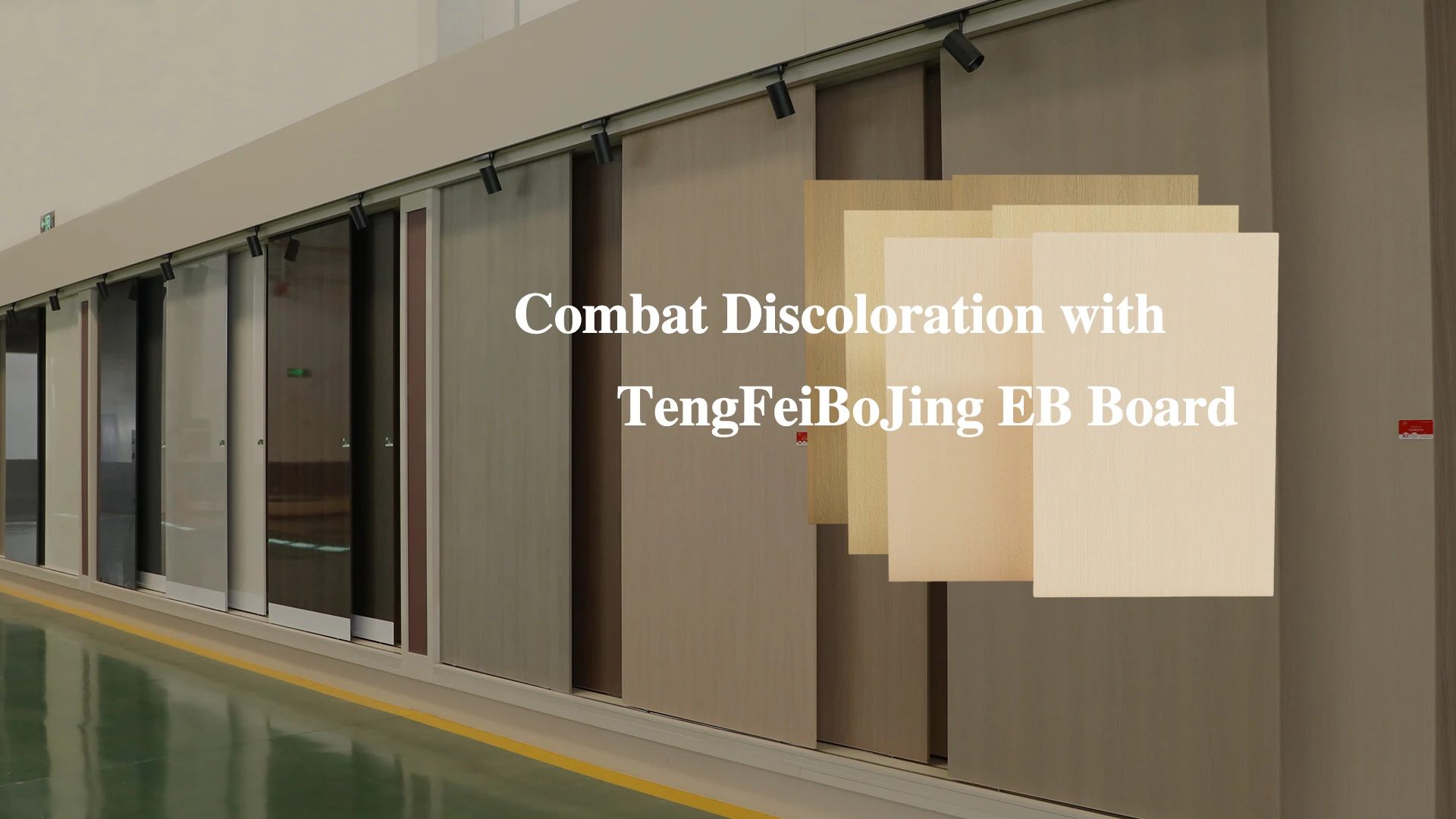
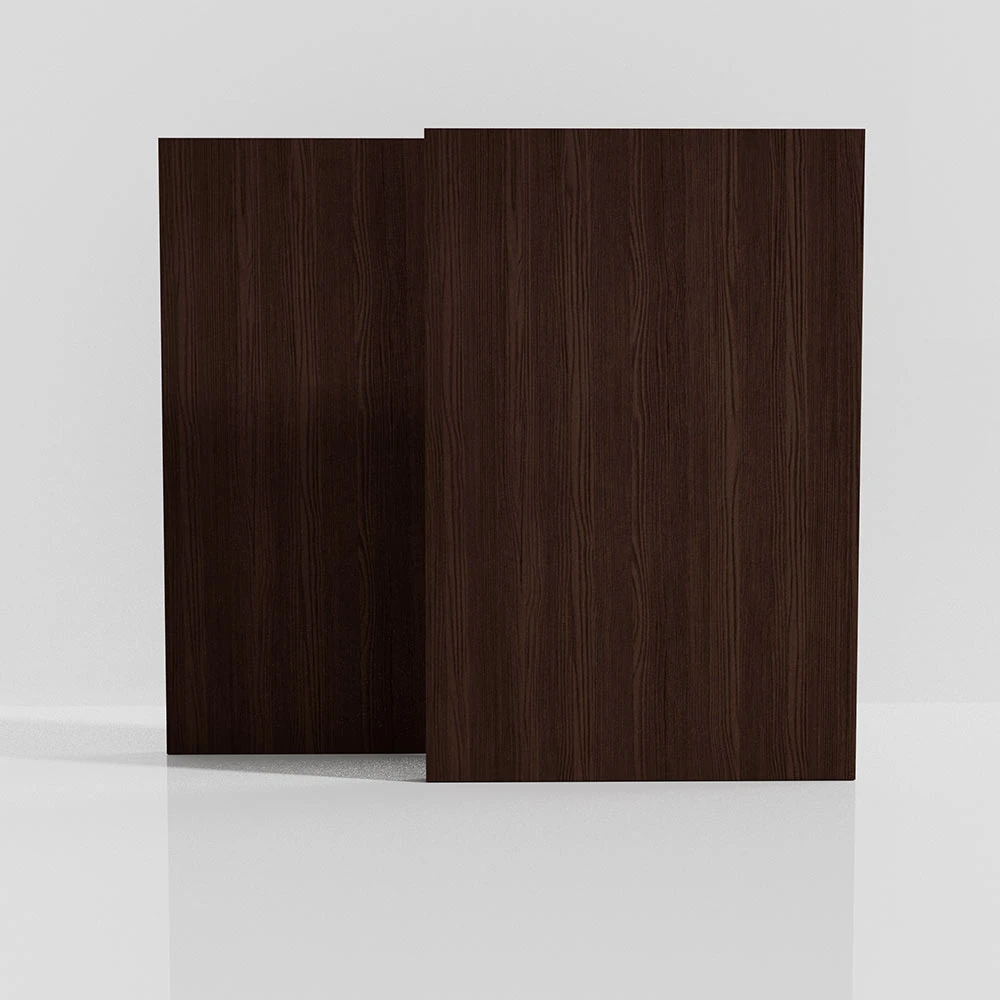
Inside the 7J MDF Platform: Specs, Trends, and Real-World Use If you’ve been speccing engineered wood panels lately, you’ve probably seen [7J] pop up in bid packs and supplier quotes. It’s positioned as a high-consistency MDF solution out of Hebei, China—and yes, I visited the facility at No.8 Xinxing Street, North Zone, Zhengding High-tech Industrial Development Zone—so here’s the practical breakdown I wish I’d had earlier. What it is and where it’s going [7J] is a calibrated medium-density fiberboard line geared for cabinetry, retail fixtures, doorskins, and acoustic substrates. Industry-wide, MDF demand is shifting toward lower emissions, moisture-resistant cores, and tighter thickness tolerances—especially with green-building credits in play. Honestly, the days of “generic MDF is fine” are fading; specifiers want chamber-tested emissions and predictable machining behavior. Materials and process flow (shop-floor version) Feedstock is plantation wood fibers, refined and blended with MUF/UF resins (melamine-urea-formaldehyde) plus paraffin for moisture performance. The line runs continuous hot-pressing, online calibration sanding, edge trimming, and optional UV primer or melamine overlay. To be honest, the sanding calibration is what many customers say makes or breaks yield on CNC routers. Testing standards: EN 317 (swelling), EN 319 (IB), EN 310 (MOR/MOE), ASTM D1037 (mechanicals), EN 717-1 and JIS A 1460 (emissions), GB/T 11718-2021 (MDF spec). Service life: ≈10–15 years for interior use (real-world use may vary with humidity, coatings, and fastener choice). Industries: Furniture, shopfitting, doors, OEM speaker/acoustic panels, decorative wall systems. Specification snapshot Parameter Typical Value (≈) Standard/Test Density 680–760 kg/m³ GB/T 11718-2021 Thickness range 3–25 mm (custom up to 30 mm) Caliper ±0.15–0.20 mm Internal Bond (IB) ≥0.6 MPa (thick boards ≥0.55 MPa) EN 319 / ASTM D1037 MOR/MOE MOR 28–40 MPa; MOE 2,500–3,200 MPa EN 310 Thickness swell (24h) ≤12% (MR grade ≤9%) EN 317 Emissions E1/E0, CARB Phase 2, TSCA Title VI EN 717-1 / ASTM D6007 Why spec it (advantages that matter on site) Router-friendly core: fewer fuzzed edges, cleaner radii—surprisingly noticeable on 6 mm. Low-emission options for schools/healthcare projects seeking credits. Moisture-resistant MR core available for bath vanities and coastal interiors (still interior use). Consistent calibration saves time on inline priming and lamination, according to two shop managers I spoke with. Customization and formats [7J] supports custom sizes (common: 1220×2440 mm; 1830×2440 mm), pre-sanded P240, UV-primed faces, melamine textures, and color-through edges on request. MOQ is usually around a container111 per spec, but small mixed loads happen off-peak—ask, don’t assume. Vendor comparison (quick take) Vendor Density tolerance Emissions Lead time Customization [7J] (Hebei) Tight (≈±25 kg/m³) E1/E0, CARB P2, TSCA VI ≈2–4 weeks High (UV, melamine, MR) Vendor A (SEA) Moderate E1, some P2 3–5 weeks Medium Vendor B (EU) Very tight E1/E0 2–3 weeks (premium) Medium–High Field notes and case studies A Guangzhou retail fit-out reported 4–6% fewer panel rejects after switching to [7J] MR for back-of-house cabinetry—mostly due to more stable thickness in humid months. Another OEM using [7J] as an acoustic substrate saw smoother paint laydown with a UV-primed face and reduced sanding passes (anecdotal, but consistent over three production runs). Certifications and quality controls ISO 9001 quality management; routine EN 717-1 chamber tests for emissions. CARB ATCM 93120 and EPA TSCA Title VI documentation upon request. Factory audits cite fiber screening and multi-stage sanding as key process controls. Final thought: MDF is MDF—until it isn’t. The delta in machining waste and paint quality can make or break margins. If you need steady calibration, low emissions, and MR options, [7J] is worth a line item on your next RFQ. Authoritative citations GB/T 11718-2021 Medium density fiberboard—Chinese national standard. http://openstd.samr.gov.cn EN 717-1 Formaldehyde release by chamber method; EN 310/317/319 mechanical tests—European Committee for Standardization (CEN). https://standards.cen.eu CARB ATCM 93120; EPA TSCA Title VI Formaldehyde Emission Standards for Composite Wood. https://ww2.arb.ca.gov and https://www.epa.gov/tsca-title-vi ASTM D1037 Standard Test Methods for Evaluating Properties of Wood-Base Fiber and Particle Panel Materials. https://www.astm.org ISO 9001 Quality Management Systems—Requirements. https://www.iso.org